We are currently working on this section
The History of Venus af Marstal
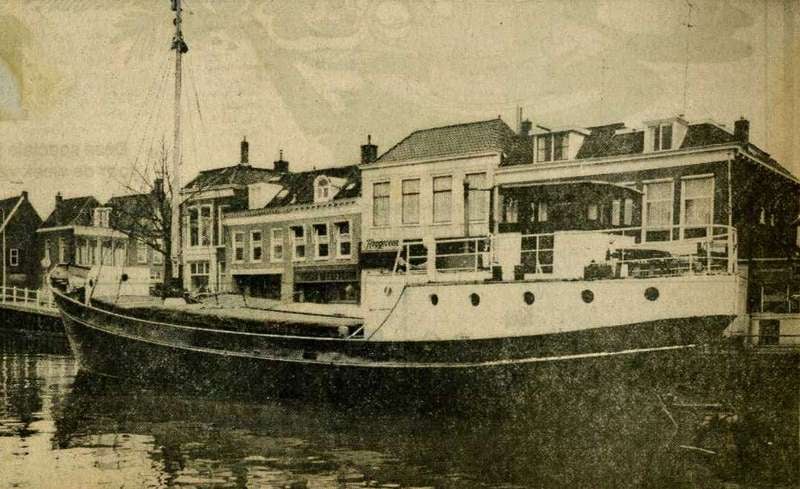
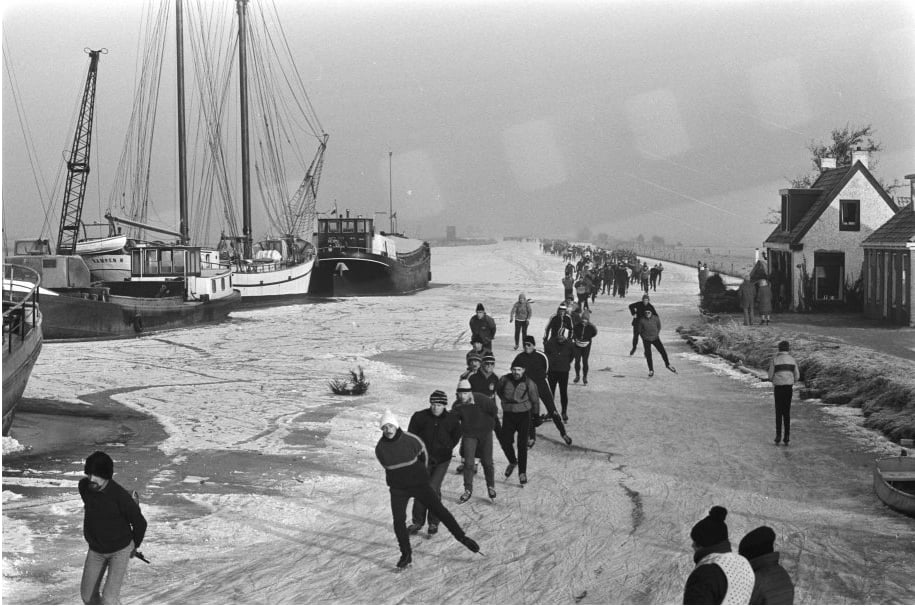
The story of Venus af Marstal begins in the year 1900, when she was launched from the shipyard J.J. Pattje & Zoon in Waterhuizen, the Netherlands. Built under the name Adelheit, she was designed as a flat-bottomed cargo schooner for the North Sea and the Baltic — a sturdy steel vessel built for hard work, long days, and the unpredictable weather of Northern Europe. Her low draught allowed her to trade in shallow harbours where larger ships could not enter, making her a vital link in the regional trade routes of the early 20th century.
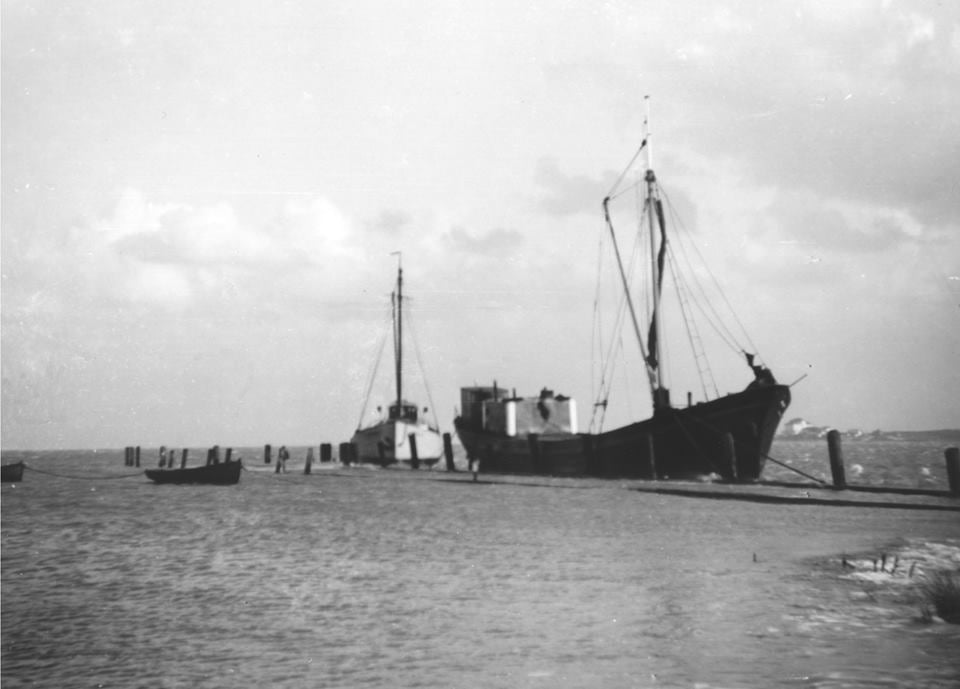
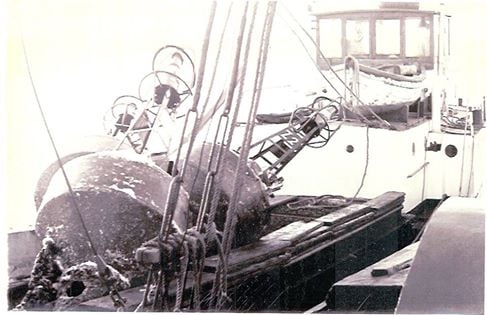
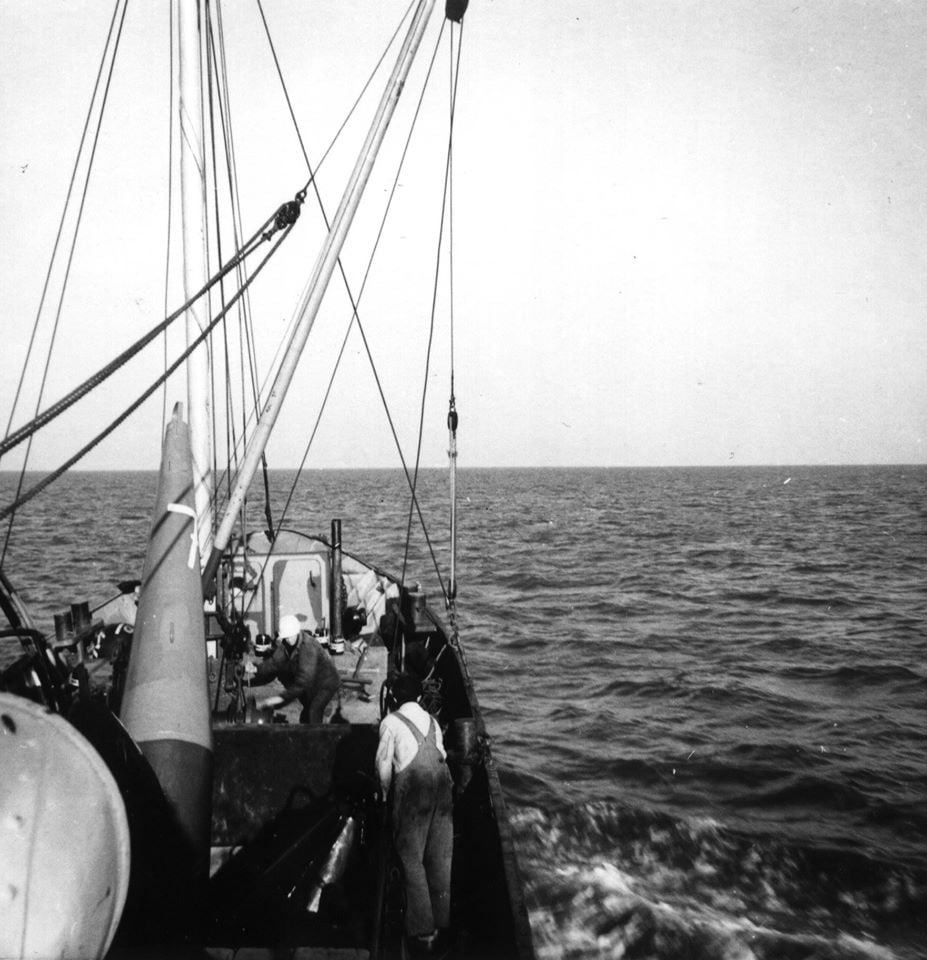
Over the decades, she became a quiet witness to the transformation of maritime Europe — from the age of sail to the era of steel and engines. In 1943, during the Second World War, she was equipped with a diesel engine, beginning her transition from a pure sailing vessel to a motor-assisted cargo ship. In the post-war years, she continued operating along the northern coasts of Germany under various owners, serving as a small freighter, a workhorse of the seas, and a familiar sight in harbours from Hamburg to Husum.
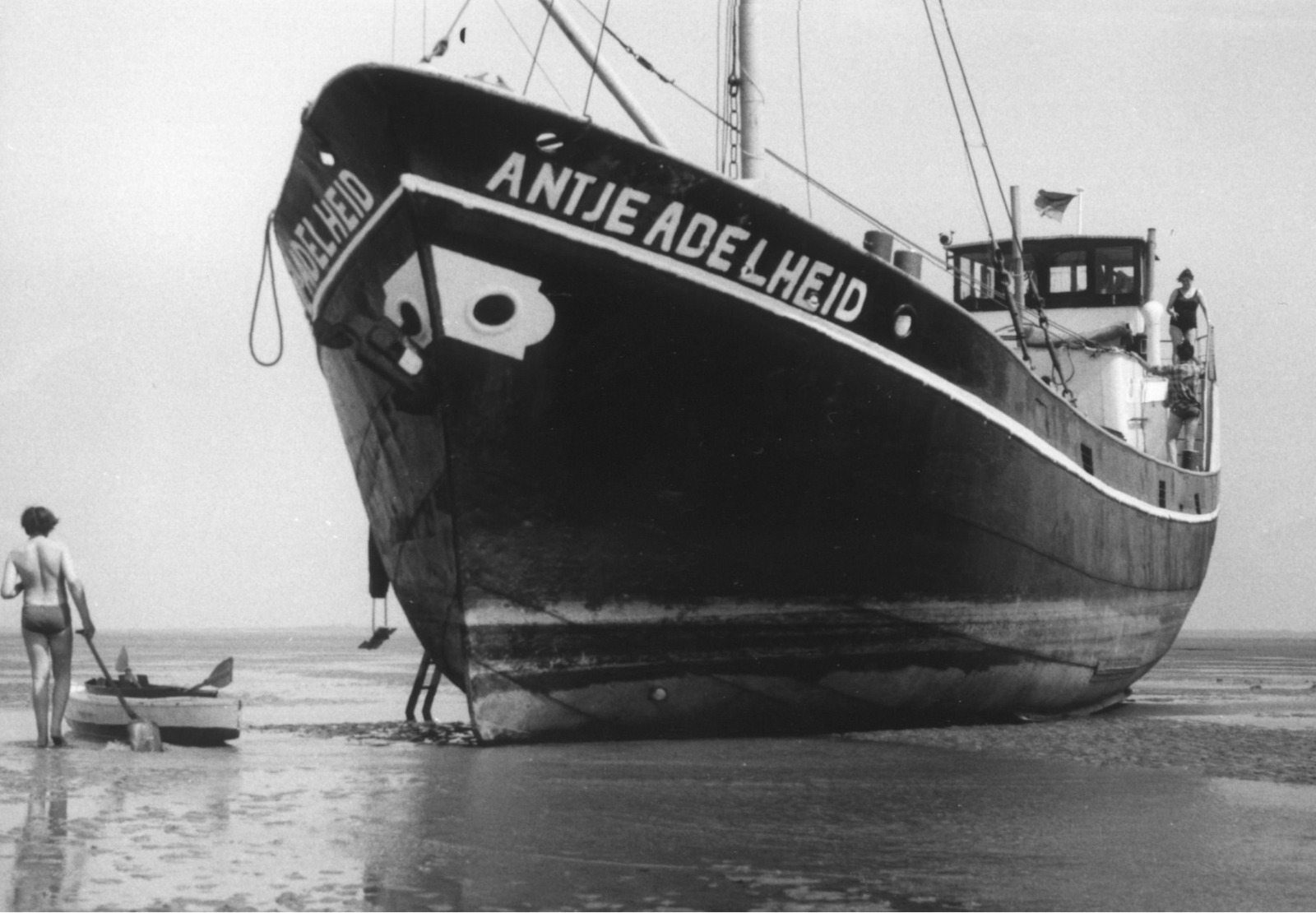
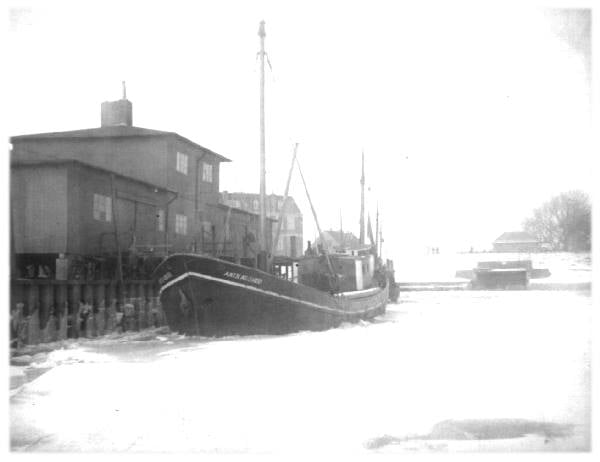
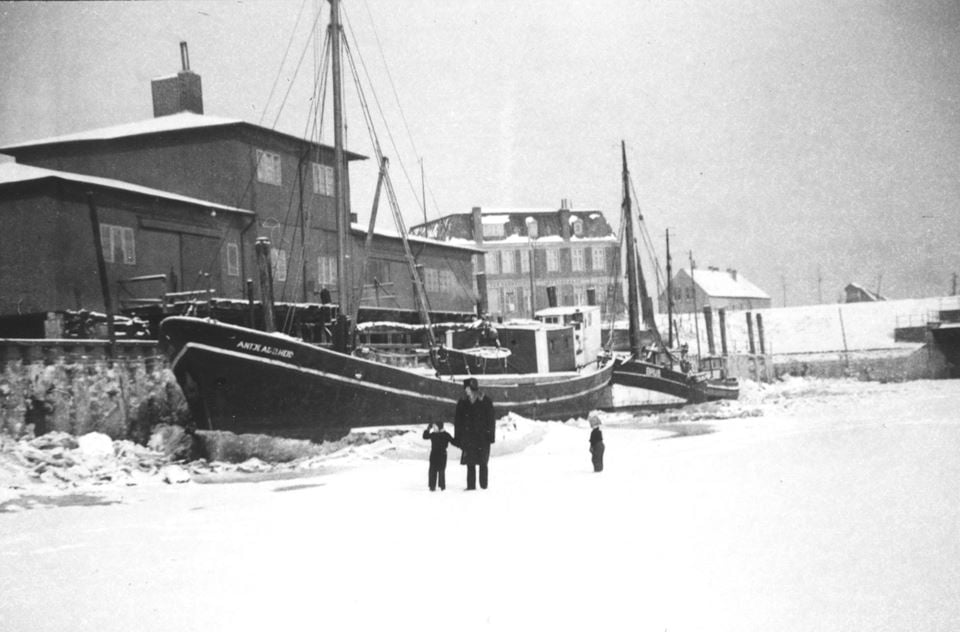
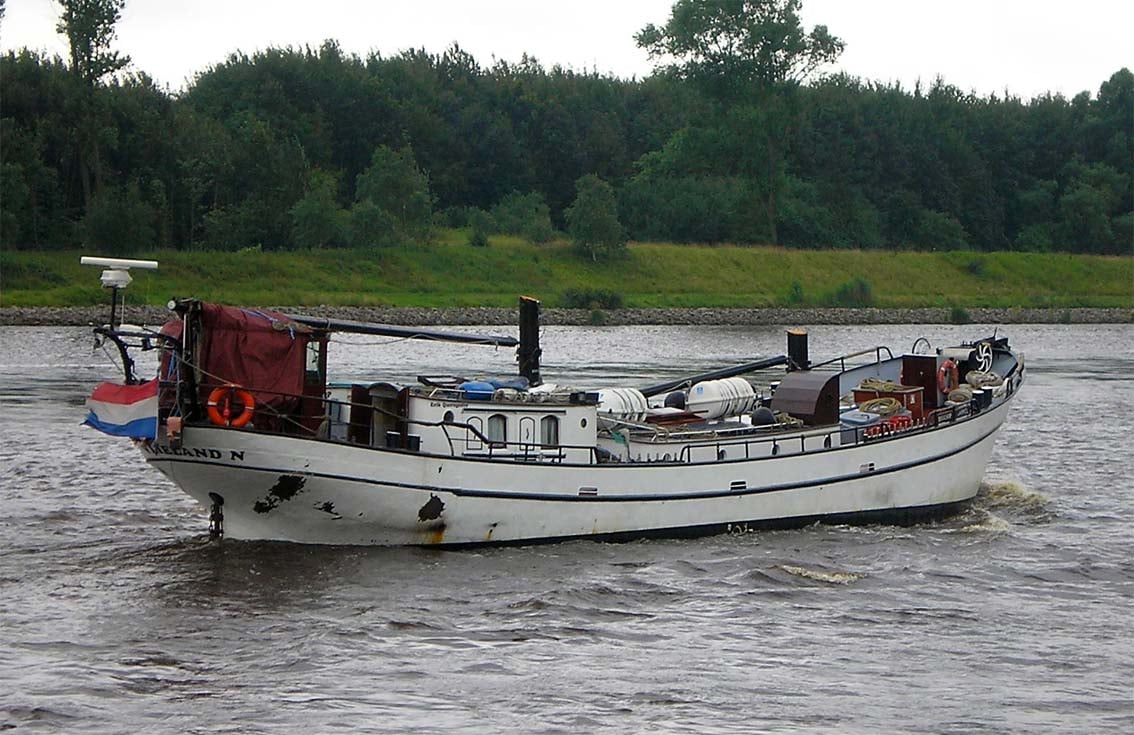
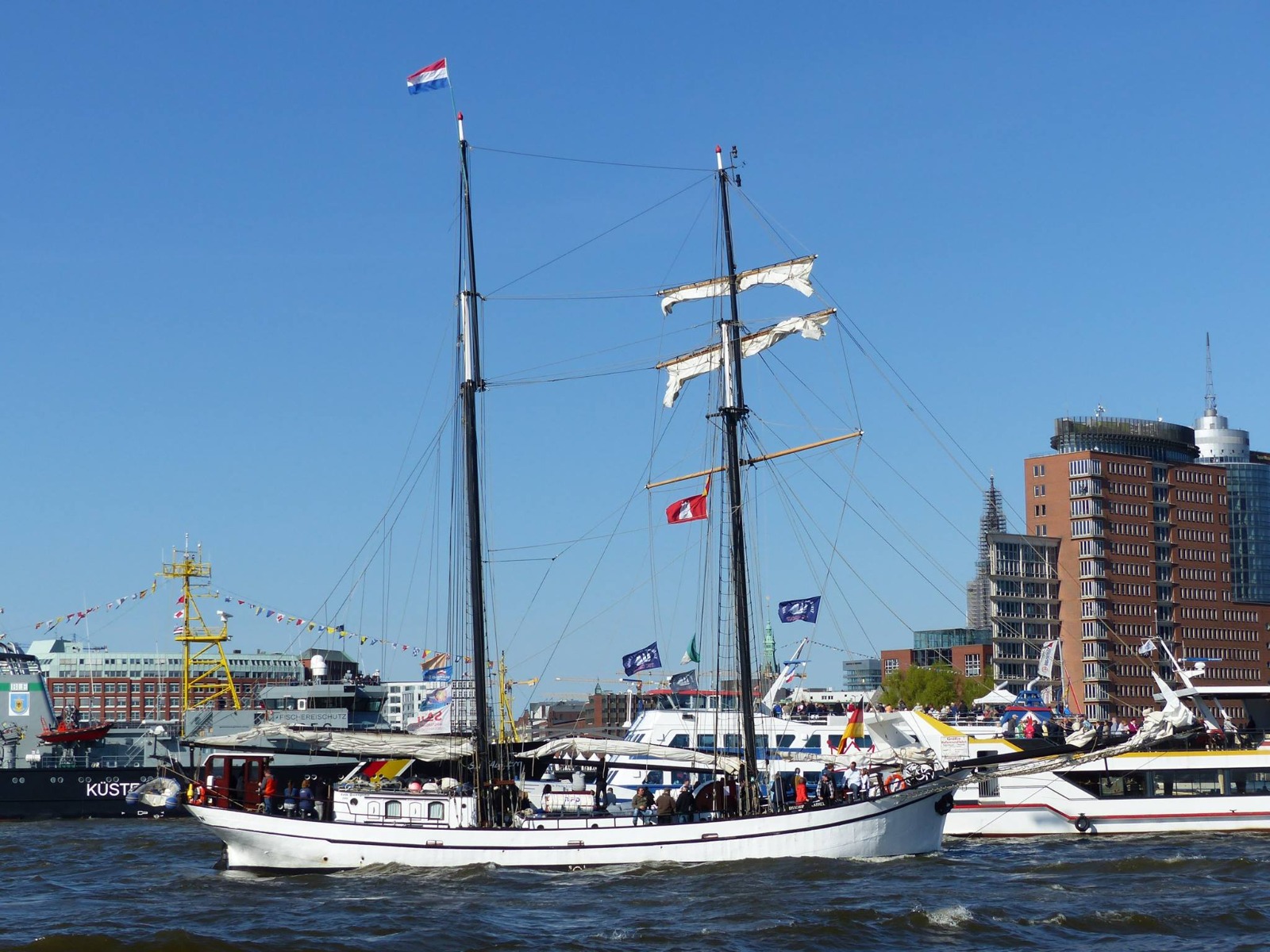
By the 1950s and 60s, as the last traditional coasters disappeared from service, Adelheit was one of the few survivors of her kind. She was lovingly maintained and gradually converted back to sail, gaining new life under the name Antje Adelheit. Her distinctive silhouette — two masts, gaff rigging, and a long deck — became a living reminder of Europe’s vanishing maritime heritage.
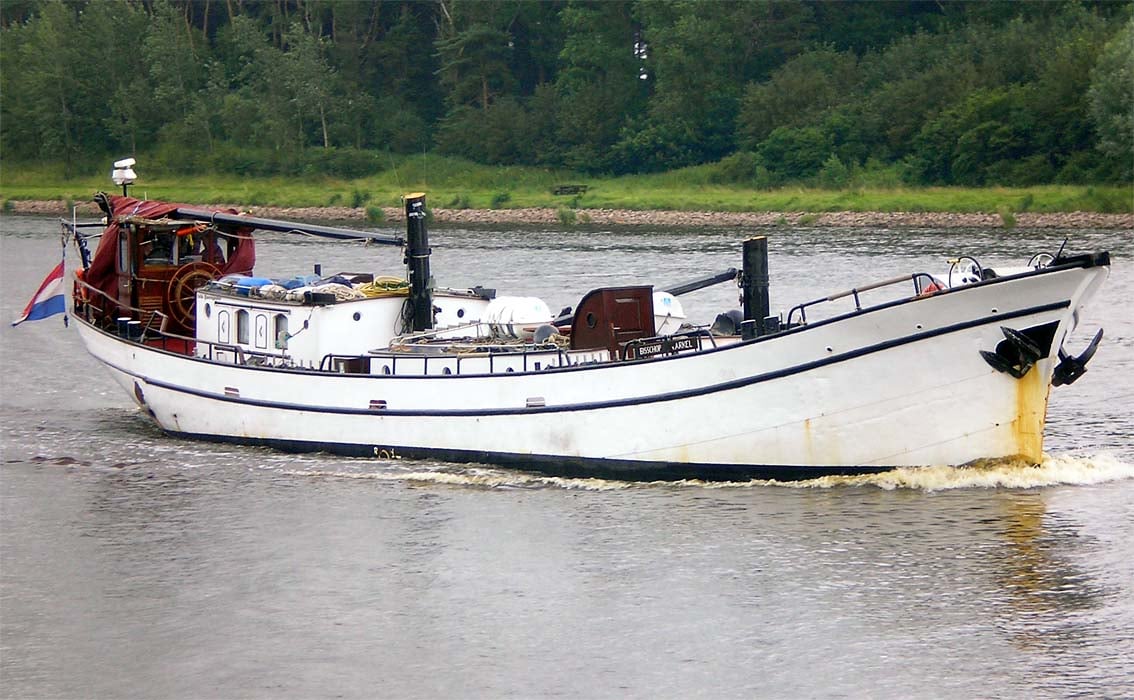
In the late 1970s, the ship was sold to the Netherlands and underwent a major restoration. The hull was renewed, the rig rebuilt, and a deeper ballasted keel was added — transforming her from a coastal trader into a true deep-sea sailing vessel. Re-launched in 1984 under the name Bisschop van Arkel, she joined the Dutch charter fleet and spent more than three decades carrying guests and students across the North Sea, the Baltic, and the fjords of Scandinavia. During this time she was a regular participant in tall ship gatherings and sailing festivals, admired for her elegant lines and powerful rig.
In 2018, she entered a new chapter under Swedish ownership and took the name Bishop’s Horizon. From her new base in the Gothenburg archipelago, she sailed training voyages and Arctic expeditions to Svalbard and northern Norway — a fitting name for a ship that had spent more than a century chasing horizons.
In 2025, the vessel was acquired by the Danish non-profit organization Foreningen Neptun, based in the maritime town of Marstal on the island of Ærø. She now sails proudly under the name Venus af Marstal, serving as the sister ship to the brigantine Neptun. Together, the two ships represent the living spirit of Danish and Northern European seamanship — combining education, adventure, craftsmanship, and community.
Today, Venus af Marstal operates as a sail-training and association vessel in the Baltic Sea, offering a meeting place for Foreningen Neptun’s Nordic and European members. With her five cabins, traditional galley, and authentic two-masted rig, she blends history with purpose — connecting people from across the region through the shared experience of sailing, teamwork, and the timeless rhythm of wind and sea.
After more than 120 years afloat, Venus af Marstal continues to sail — not as a relic of the past, but as a living ambassador of maritime culture, craftsmanship, and fellowship.
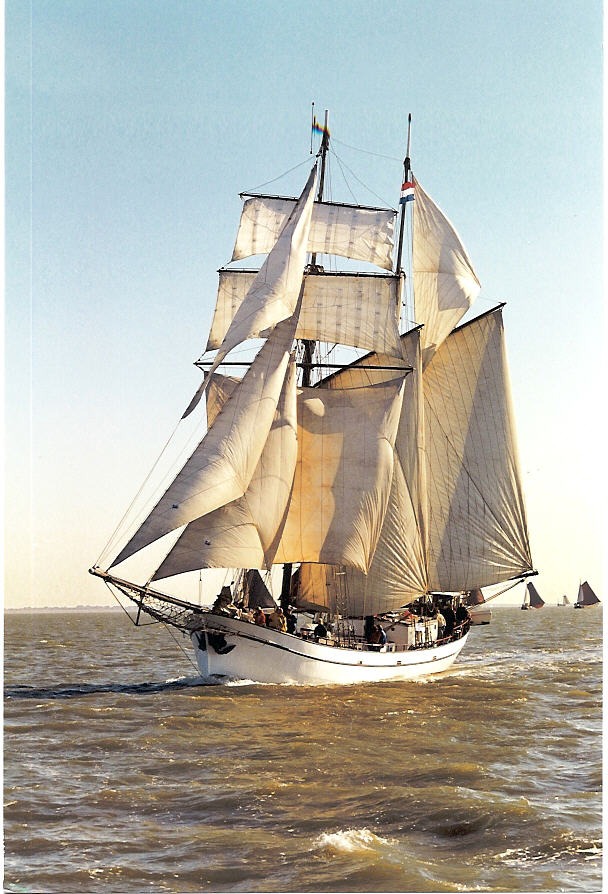
Facts about VENUS
Rigging:
Rig type: Topsail Schooner
Meters of rope:
Standing rigging:
Mast height:
Number of sails:
Sail Area:
Ship particulars:
Length over all (LOA):
Length waterline (LPP):
Breadth:
Draught:
Year build: 1900
Shipyard:
Gross Tonnage:
Net tonnage:
Displacement:
Max speed under sail:
Max speed under engine:
Registration:
Flag: Danish
Home port: Marstal
Technical:
Main engine:
Propeller:
Electrical:
Tank capacities:
Diesel capacity:
Blackwater capacity:
Fresh water capacity: